With the cold weather, your horse’s airways become increasingly fragile. The equine species is particularly sensitive to respiratory problems, which represent the second most common reason for visits to the vet, just after lameness. As such, it’s important not to neglect your horse’s respiratory tree in this season!
In this article, we take a look at the signs to look out for and the means of protection you can put in place to ensure your horse enjoys perfect respiratory health this winter.
Warning signs to watch out for
If your horse develops a respiratory ailment, it may present with a number of symptoms: coughing, foaming, fever, despondency, decreased performance, noisy breathing at rest or during exercise, swelling in the throat, etc.
An attack on the airways may present with a simple cough when starting work, or more rapid breathlessness when exercising. As such, these signs—which may be discreet—should not be overlooked. We often hear people talk about a “cold” in a coughing horse. You should never ignore the appearance of these symptoms in your horse, as it is never harmless.
The causes of respiratory conditions are potentially numerous. The most common cause is triggered after exposure to allergens present in the environment or food, resulting in emphysema. Equine asthma or emphysema is not just a spring or summer illness, it can also appear in winter when horses spend more time with their nose in the hay or in their stall, and therefore in a dustier environment.
Certain viruses can also be behind respiratory illnesses, such as the flu or equine herpesvirus.
When you see any of these symptoms, the best solution is to call your vet so that they can make a diagnosis. They’ll let you know the right treatment according to the type of ailment. Depending on the molecule involved, treatment may be administered by nebulisation, injection or orally.
What measures can you take to help your horse breathe better?
Manage its environment properly
No matter its origin, and especially if allergens are responsible for the appearance of respiratory problems in your horse, good environmental management is essential!
In winter, it’s not always possible to turn your horse out. Animals often remain in the stall, where they more easily come into contact with dust in confined spaces. Regular but not excessive ventilation of buildings will limit the accumulation of dust and renew the air.
Quality, dust-free forage makes it possible to reduce respiratory risks and ensure healthy nutrition. You can wet hay before distributing to fix dust in place and therefore limit its inhalation by your horse. When it comes to dust, for at-risk horses it is better to opt for dust-free bedding such as certain types of shavings, rather than straw-based bedding which contains a significant amount of dust. Avoid sweeping the stable when horses are inside so as to not get dust in their stall or in the air they breathe.
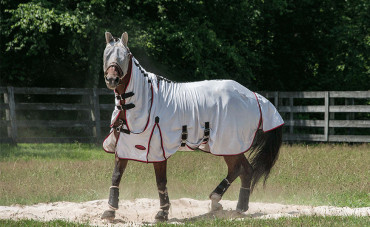
If your horse is in the pasture, make sure it doesn’t get wet from the rain or sweat when exercising under a blanket. Ideally, an accessible shelter will allow your horse to protect itself from the cold and humidity. In this season, horses’ coats are longer and denser, protecting them from bad weather but also taking longer to dry as temperatures fall. Try to dry your horse as much as possible after work, particularly if you’ll be putting a blanket back on them.
Good nutrition is essential!
At the same time, pay attention to your horse’s nutrition. High-quality, dust-free and mould-free feed in sufficient quantity can be a real help for the body in winter. Make sure your horse always has access to hay. It’s important to offer your horse the necessary nutrients required by increased physical and respiratory needs to take on the winter season.
You can also support your horse with food supplements. Certain essential oils (Niaouli, Rosemary, Eucalyptus and Scots Pine) support horses’ respiratory comfort in cold weather. Balsamic Air and Balsamic Control contain these essential oils to help your horse throughout this difficult period for the airways.